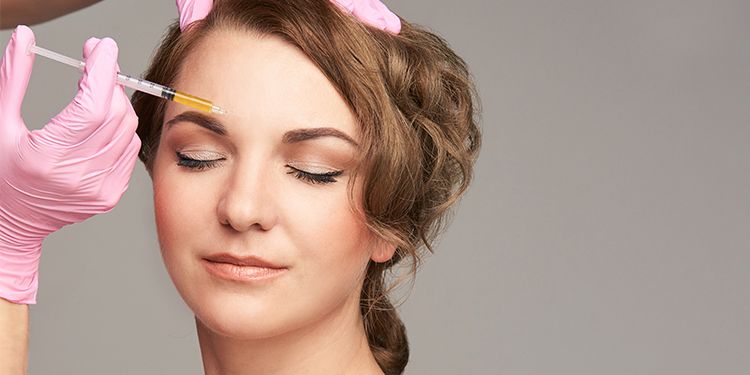
Stem Cells and Stem Cell-Enriched Fat Injection
One of the most remarkable developments in aesthetic and reconstructive surgery in recent years has been regenerative medicine. Regenerative medicine aims to benefit from the body’s own healing, renewal and repair potential. At the center of this field are stem cells and stem-cell-rich tissues.
Stem cells are special cells that carry the body’s potential for renewal. Because they can contribute to tissue repair, support tissue quality and differentiate into different cell types, they are used not only in the treatment of diseases but also in aesthetic applications designed to improve skin quality, soften the signs of aging and restore lost volume.
What are stem cells?
Stem cells are basic cells that have the potential to transform into different cell types in the body. In aesthetic medicine, one of the most practical and valuable sources of regenerative cells is adipose tissue. Fat tissue contains both volume-providing fat cells and a rich regenerative cellular content.
What is stem cell-enriched fat injection?
Stem cell-enriched fat injection is a procedure in which fat taken from the patient is processed and then re-injected into areas that need volume support or tissue rejuvenation. The aim is not only to create volume, but also to improve tissue quality and support regeneration.
The procedure is usually performed by harvesting fat from an area such as the abdomen, waist or thighs. The collected tissue is purified and prepared, and the stem-cell-rich fraction is combined with the fat before being injected into the desired area.
Where can it be used?
- Facial volume loss
- Under-eye hollowness and tired appearance
- Cheek, temple or jawline support
- Skin quality improvement and rejuvenation
- Correction of contour irregularities
- Support in certain reconstructive indications
What are its advantages?
Because the material is obtained from the patient’s own body, it is a natural and personalized treatment. In addition to volume restoration, it may contribute to a better quality of skin and soft tissue. However, every patient is different, and the degree of permanence and improvement may vary.
What happens after the procedure?
Mild swelling, bruising and temporary asymmetry can occur both in the donor area and the injection area. Part of the transferred fat may be resorbed over time, so in some cases additional sessions may be recommended.
- The treatment plan is individualized according to the patient’s anatomy and goals.
- The aim is a natural result rather than overcorrection.
- Follow-up is important to evaluate healing and volume retention.
- The rejuvenating effect becomes more visible over time.
- In appropriate patients, the method can provide both restorative and aesthetic benefits.
- The procedure should always be planned by an experienced plastic surgeon.