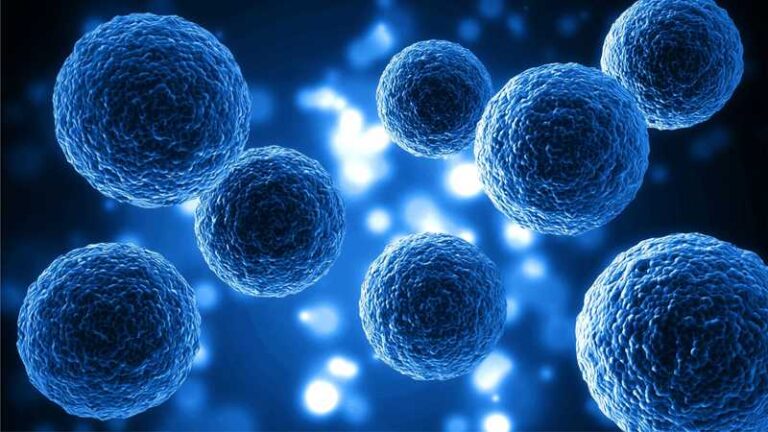
Cell-Free Renewal with Exosomes
Rejuvenation today is no longer limited to reducing wrinkles, tightening the skin or improving facial contours. Modern aesthetics increasingly focuses on supporting tissue quality, elasticity, vitality and biological resilience over the long term.
This is why regenerative medicine and aesthetic procedures are now considered together more frequently. One of the most remarkable developments in this field is exosome treatment.
Exosomes represent a cell-free regenerative approach. Rather than transferring live cells, the goal is to benefit from the biological messages cells use to communicate with one another.
What are exosomes?
Exosomes are tiny extracellular vesicles that carry biologically active signals such as proteins, lipids and nucleic acids. They help cells communicate and may support tissue repair processes.
How can exosome treatments support the skin?
In aesthetic medicine, exosome applications are discussed for their potential to support skin quality, brightness, recovery and tissue vitality. They are often considered in treatment plans focused on a healthier-looking skin surface.
What is the difference from stem cell treatments?
Exosome-based approaches are cell-free. They do not rely on transferring living stem cells, but on using the communication signals produced by cells.
Who may consider exosome treatments?
Candidates are evaluated according to skin quality, regenerative goals and physician assessment. Treatment plans should be individualized.
What happens after application?
The post-treatment course depends on the application protocol. Temporary redness or sensitivity may occur depending on the combined procedure.
Exosome treatments are positioned as part of modern regenerative aesthetic strategies that aim to support natural, gradual and biologically oriented skin improvement.