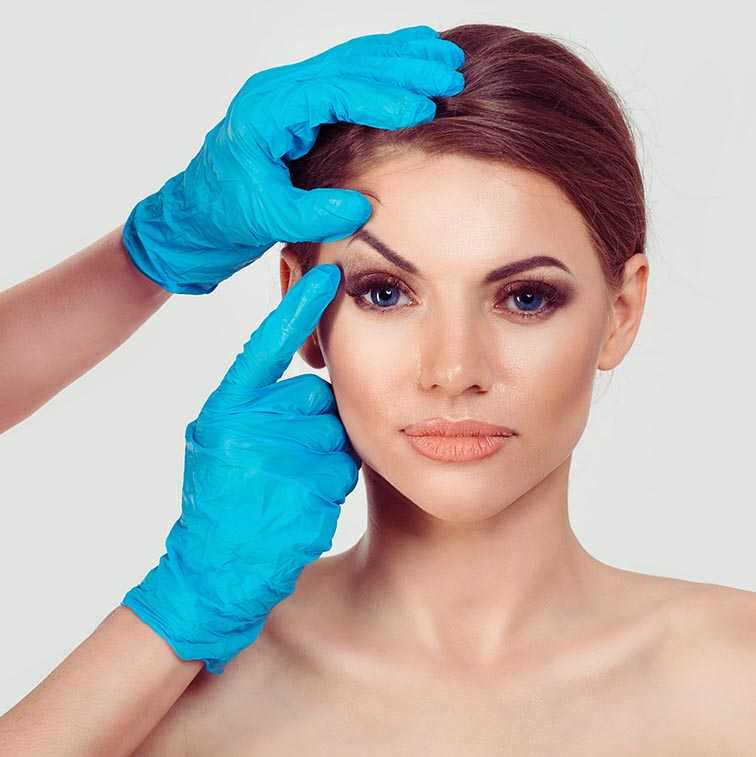
Who can undergo upper eyelid surgery?
Anyone experiencing sagging or puffiness in the upper eyelids may be a candidate for this procedure.
The eyes are one of the most important features shaping facial expression. Sagging skin and puffiness in the upper eyelids can create a tired and aged appearance. In some patients, excess tissue may also narrow the visual field.
Upper eyelid surgery removes the excess skin and fat tissue responsible for heaviness, sagging and puffiness. The procedure is commonly performed under local anesthesia and usually takes about 45–70 minutes.
Why does upper eyelid puffiness occur?
In addition to genetic factors, aging, irregular sleep and smoking may contribute to puffiness and heaviness in the eye area.
Are the results permanent?
Upper eyelid surgery offers long-lasting results. The aging process continues naturally, but the excess skin and puffiness corrected during surgery do not return in the same way.
Will there be a scar after surgery?
The incision is planned along the natural upper eyelid crease, so the scar generally becomes very subtle over time.
What happens after surgery?
- Mild swelling and bruising may occur in the first days.
- Cold compresses and the surgeon’s postoperative recommendations help support recovery.
- Patients usually return to daily life in a short time.
- Sutures are removed according to the surgeon’s follow-up plan.
- The eyelid contour becomes clearer as swelling subsides.